
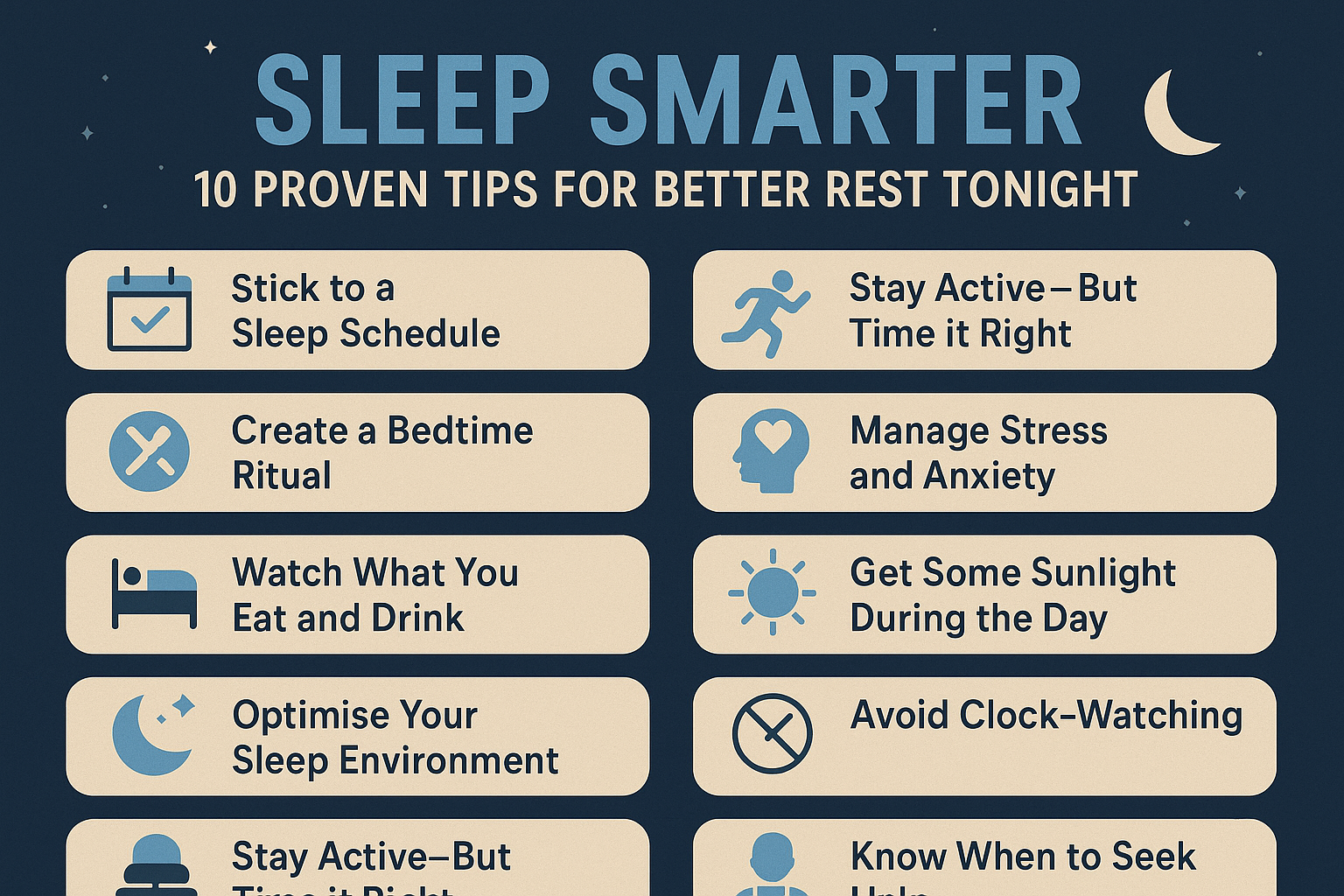
Getting a good night’s sleep can often feel elusive, like chasing a dream—no pun intended. Whether you find yourself lying awake, counting sheep, or waking up feeling more tired than when you went to bed, the struggle for restful sleep is all too real. Fortunately, the good news is that achieving better sleep is well within your reach. By sharing tips for better sleep, it becomes evident that even modest changes can lead to significant improvements. With a few smart adjustments and a deeper understanding of your body’s needs, you can dramatically enhance the quality of your rest.
One of the most effective strategies is to establish a consistent sleep schedule. Our bodies thrive on routine, so going to bed and waking up at the same time each day—even on weekends—can help regulate your internal clock. This consistency strengthens your sleep-wake cycle, making it easier to both fall asleep and wake up. Personal experience has taught me the benefits of this method; I used to treat weekends like jet lag parties, indulging in late nights and long sleep-ins. However, once I committed to a steady wake-up time, my weekday mornings transformed from a struggle into a more manageable routine.
Creating a bedtime ritual can also signal to your brain that it’s time to unwind. Engaging in relaxing activities such as reading, stretching, or taking a warm shower can help your body transition into sleep mode. It’s crucial to avoid screens during this winding-down period, as the blue light emitted can disrupt melatonin production, which is essential for a restful night.
Mindful eating and drinking play a significant role in your sleep quality. Going to bed either hungry or overly full can disturb your rest, and it’s wise to be conscious of your caffeine and alcohol intake. While a nightcap may initially make you drowsy, it can ultimately lead to poorer sleep quality throughout the night. Additionally, limiting daytime naps can help synchronise your body clock. While short power naps can be rejuvenating, long or irregular napping can create confusion. If you feel the need to nap, aim for a brief 20–30 minutes before 3 p.m.
Your sleep environment is another critical factor to consider. Aim to create a bedroom that serves as a sanctuary for sleep—keeping it cool, quiet, and dark is essential. Investing in blackout curtains and using a white noise machine can enhance this environment. Furthermore, it’s wise to eliminate electronics from the bedroom; even the glow of a digital clock can interfere with melatonin production.
Staying active is beneficial for sleep, but timing is key. Regular physical activity can improve sleep quality, but exercising too close to bedtime may prove stimulating rather than soothing for some individuals. Additionally, managing stress and anxiety is vital for achieving restful sleep. Techniques like journaling, meditation, or enjoying a calming herbal tea can greatly contribute to a peaceful mind. Apps such as Headspace or Calm offer excellent guided wind-down sessions that can be quite effective.
Natural sunlight exposure during the day, especially in the morning, supports your circadian rhythm. Consider taking your morning coffee outside or going for a lunchtime walk to soak up some sun. It’s also important to avoid clock-watching when you can’t fall asleep; obsessively checking the time can heighten anxiety. If you find yourself still awake after 20 minutes, it’s better to get up and engage in a calming activity in low light before attempting to sleep again.
Finally, if sleep problems persist, don’t hesitate to seek professional help. Conditions such as insomnia or sleep apnoea often require medical assistance. With the right support, you can find effective solutions and reclaim the quality of your sleep.
Improving your sleep doesn’t require perfection; it only takes a willingness to explore what works best for you. By making small, consistent adjustments and tuning into your body’s natural rhythms, you can make restful nights much more attainable. This might involve altering your routine, creating a calming environment, or simply reducing screen time before bed. The benefits of these changes can be life-changing. So, the next time you discover a method that helps, don’t hesitate to share your tips for better sleep with others. After all, we could all benefit from a little more rest.