
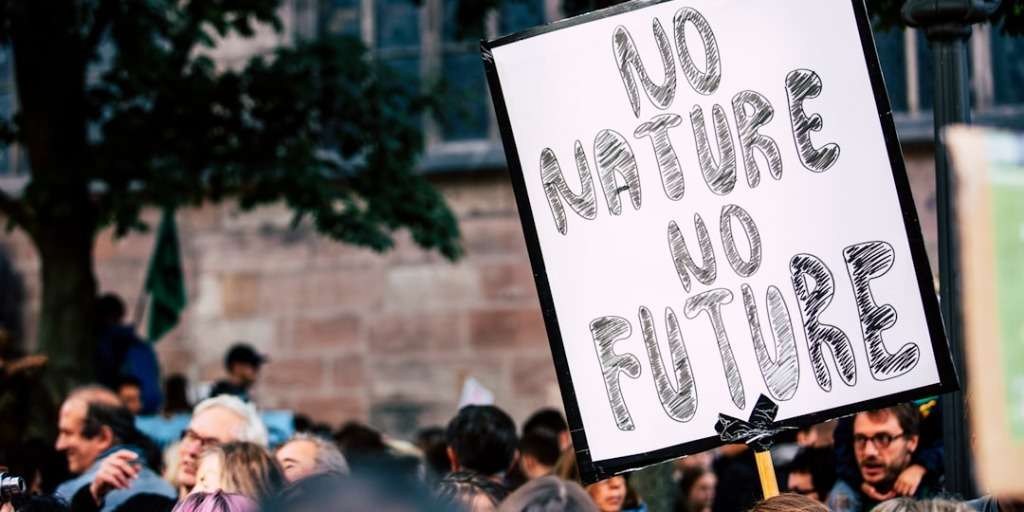
Climate change represents a monumental challenge with global implications, affecting ecosystems, economic frameworks, and communities in every corner of the planet. This multifaceted crisis involves long-term alterations in global temperatures and weather patterns, a shift that, while natural over the course of millions of years, has rapidly accelerated in recent times due to human activities. At the heart of this acceleration is global warming, propelled by the dramatic rise in greenhouse gases, such as carbon dioxide, which trap heat within the atmosphere. The phenomena primarily stem from human actions, particularly from the burning of fossil fuels—coal, oil, and natural gas. These activities, integral to industries, transportation, and the generation of electricity, have surged post-Industrial Revolution, significantly increasing carbon dioxide emissions.
Further exacerbating the situation is deforestation. Forests act as vital carbon sinks, yet their clearance for agriculture, logging, and urbanisation decreases the Earth’s capacity to absorb carbon dioxide. This loss not only leads to a reduction in carbon storage but also results in the release of stored carbon back into the atmosphere, intensifying the effects of climate change. Agriculture, notably through livestock farming, contributes largely to the emission of methane, a potent greenhouse gas. Industrial agriculture’s reliance on fertilisers also produces nitrous oxide, further contributing to the greenhouse effect. Additionally, the decomposition of organic matter in landfills releases methane, a consequence of increased consumerism and waste production, which underscores the complex, interconnected nature of human-induced climate change.
The implications of these activities are profound and wide-ranging. One of the most direct consequences is the rise in global temperatures, an average increase of about 1°C since the late 19th century—primarily within the latter decades—heralding significant alterations in weather and ecosystems. The melting of ice caps and glaciers, alongside the consequent rise in sea levels, poses severe threats to coastal and island communities. Furthermore, climate change is linked to an uptick in extreme weather events, such as hurricanes, droughts, and heatwaves, disrupting life, economies, and the natural world. The biodiversity crisis is another critical aspect, with many species facing rapid habitat changes, migration challenges, or the threat of extinction, particularly distinct in vulnerable ecosystems like coral reefs.
Climate change also significantly impacts human health and wellbeing. Rising temperatures escalate the risks of heat-related illnesses and mortality. Extreme weather events, while destructive to infrastructure and livelihoods, also displace communities and hinder access to essential resources such as clean water and food security. Moreover, shifts in climate conditions facilitate the spread of diseases, exemplified by the greater reach of vector-borne illnesses like malaria and dengue fever. These health challenges underscore the urgent need for comprehensive strategies to mitigate the impacts of climate change.
Combatting climate change necessitates a collective shift towards sustainability and a reduction in carbon emissions. One of the most effective measures is reducing reliance on fossil fuels by transitioning to renewable energy sources such as solar, wind, and hydropower. On an individual level, reducing carbon footprints through driving less, using energy-efficient appliances, and supporting clean energy advances can make a significant difference. Initiatives to protect and restore forests, through reforestation and conservation efforts, are crucial in capturing carbon dioxide from the atmosphere. Adopting sustainable agricultural practices further contributes to mitigating the effects of climate change. Through concerted efforts, global and local, it is possible to address the underlying causes of climate change, reducing its impacts and safeguarding our planet for future generations.


