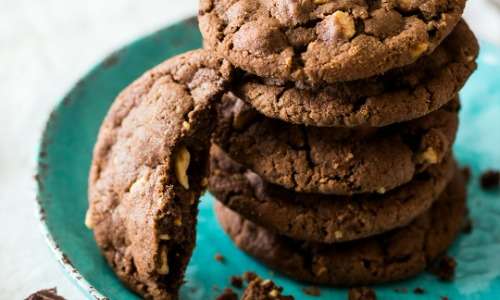
There’s something irresistible about the aroma of freshly baked cookies wafting through the house. Baking cookies is not only a delightful treat but also a comforting ritual for many. Whether it’s the meditative process of mixing ingredients or the rewarding moment of savouring that first warm bite, baking cookies is a joy-filled experience that combines creativity and culinary science. Here, we explore the magic of cookie-making, from understanding the chemistry of ingredients to experimenting with unique flavours that make each batch special.
The Ingredients: A Science of Sweetness and Texture
Flour
Flour provides the structure for cookies. Using different types of flour, like all-purpose or whole wheat, can affect the final texture. All-purpose flour is versatile and creates a classic, chewy cookie, while adding whole wheat flour can introduce a nutty flavour and a denser texture.
Butter and Sugar
Butter and sugar are essential for cookie flavour and texture. Creaming butter and sugar together creates air pockets that help cookies rise and become light. Melted butter results in denser, chewier cookies. Brown sugar adds a caramel-like depth and extra moisture, while granulated sugar contributes to a crisper texture.
Baking Soda and Baking Powder
Leavening agents like baking soda and baking powder influence cookie texture. Baking soda reacts with acids, helping cookies spread out and brown. Baking powder, often used in recipes for fluffier cookies, helps them rise, resulting in a cake-like texture.
Eggs
Eggs add moisture and bind ingredients. They also contribute to the structure and richness of cookies. Adding an extra egg yolk can make cookies softer and chewier, while omitting the egg can create a crumbly, shortbread-like texture.
Flavourings
Vanilla, chocolate chips, spices, and nuts add character to cookies. Classic flavours include chocolate, vanilla, and cinnamon, while creative bakers experiment with zests, extracts, and even unconventional ingredients like matcha or lavender to create unique profiles.
Technique: The Key to Perfect Cookies
Baking cookies is as much about technique as it is about ingredients. Small adjustments in technique can lead to vastly different results:
Creaming Butter and Sugar
Creaming butter and sugar together until fluffy introduces air, creating a light texture. For a denser, chewier cookie, mix until just combined to minimise air pockets.
Chilling the Dough
Chilling cookie dough before baking helps cookies maintain their shape and intensifies flavours. When the dough is cold, the butter doesn’t spread as quickly in the oven, resulting in thicker cookies. Chilling also allows the flour to hydrate, creating a better texture.
Baking Time and Temperature
Baking at a higher temperature for a shorter time results in a crisp exterior and a gooey centre, while lower temperatures with longer baking times create an even, cake-like texture. Experimenting with these variables helps you find your perfect cookie balance.
Spacing and Size
Cookie size and spacing affect baking outcomes. Smaller cookies bake faster and have crispier edges, while larger cookies tend to have gooey centres. Proper spacing ensures even baking, preventing cookies from merging in the oven.
Creative Twists on Classic Cookies
Baking cookies is an opportunity to get creative. Here are a few ideas to make your cookies stand out:
Add Unexpected Flavours
Try infusing the dough with tea leaves, zesting citrus into the batter, or adding a dash of spices like cardamom or ginger. These small additions can transform a standard cookie into something gourmet.
Experiment with Fillings and Toppings
Beyond chocolate chips, experiment with fillings like caramel, peanut butter, or even Nutella. Toppings such as sea salt flakes, chopped nuts, or sprinkles add layers of texture and flavour that elevate each bite.
Mix Different Textures
Combining chewy, crunchy, and gooey textures can make cookies even more enjoyable. Consider adding crushed pretzels, toffee bits, or shredded coconut for surprising texture contrasts.
Explore International Cookie Varieties
From Italian biscotti to French macarons, exploring international cookie recipes opens a world of unique flavours and textures. Each culture has its version of cookies, providing endless inspiration for flavour combinations.
The Joy of Baking as Therapy
Baking cookies isn’t just about creating something to eat; it’s an act of mindfulness and comfort. Many find baking therapeutic, as it requires focus, patience, and a sense of presence. The tactile experience of mixing, shaping, and decorating each cookie serves as a calming ritual that can relieve stress. The anticipation of waiting for cookies to bake, followed by the reward of tasting something warm and homemade, brings joy and satisfaction.
For some, baking cookies for others is a way to share love and gratitude. Homemade cookies carry personal care and effort, making them a thoughtful gesture for family and friends. The act of gifting cookies, whether for a special occasion or simply to brighten someone’s day, highlights the social and emotional value of baking.